Authorized Dealer
The Kodak 4 x 4" Wratten 2, 87 Infrared Filter is designed to help capture images of how a subject reflects or transmits infrared light. It can be used with a separately-available filter frame or filter holder that can…
Product highlights and buying context
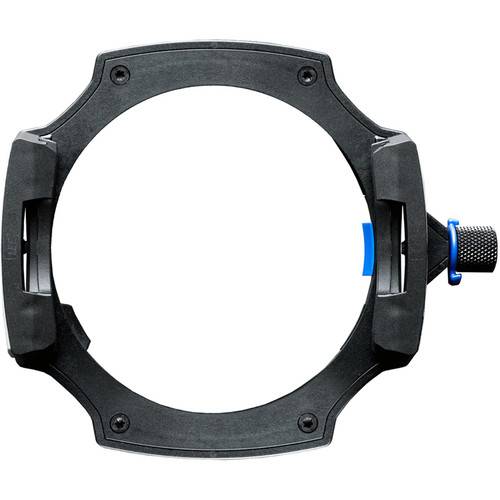
The Kodak 4 x 4" Wratten 2, 87 Infrared Filter is designed to help capture images of how a subject reflects or transmits infrared light. It can be used with a separately-available filter frame or filter holder that can accommodate 4"-wide acetate filters.
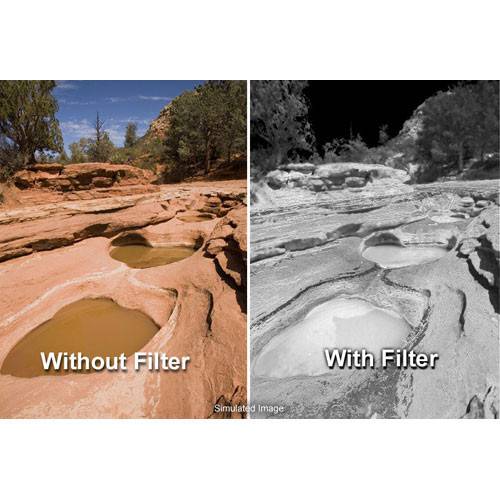
Infrared light waves occupy the space in the electromagnetic spectrum behind visible light due to their longer wavelengths. Many surfaces and materials react to, or emit infrared light waves differently than visible light waves, which provide the potential for photographs of subjects or subject properties that are otherwise invisible to the human eye. Such images require an infrared-sensitive medium such as infrared film or a digital photographic sensor which may be more effective when used without the infrared-blocking filters that are frequently built over them.
Conventional light sources such as the sun, photographic strobes, or incandescent lighting may be used to provide infrared illumination. However, because infrared films or digital photographic sensors can be more sensitive to the relatively higher energy and shorter-wavelength visible light those sources also emit, the effects of infrared light can be otherwise obscured. The Kodak 4 x 4" Wratten 2, 87 Infrared Filter makes it possible to capture images of how subjects are illuminated by infrared light by blocking near-infrared, visible, and ultraviolet light waves while allowing approximately 88% of infrared light waves 780nm or greater into the lens it is mounted onto.
Kodak Wratten 2 filters are constructed from acetate that is formulated to resist fading, as well as static-cling during installation, removal, and storage. The acetate is also intended to prevent condensation from humidity while allowing fingerprints to be quickly wiped away so that optical clarity can be easily maintained.
Additional Details
Loading…