Authorized Dealer
A point-and-shoot camera is a compact digital camera designed for simple, convenient photography. As the name suggests, users point the camera at their subject, press the shutter button, and make the image. To achieve…
Product highlights and buying context
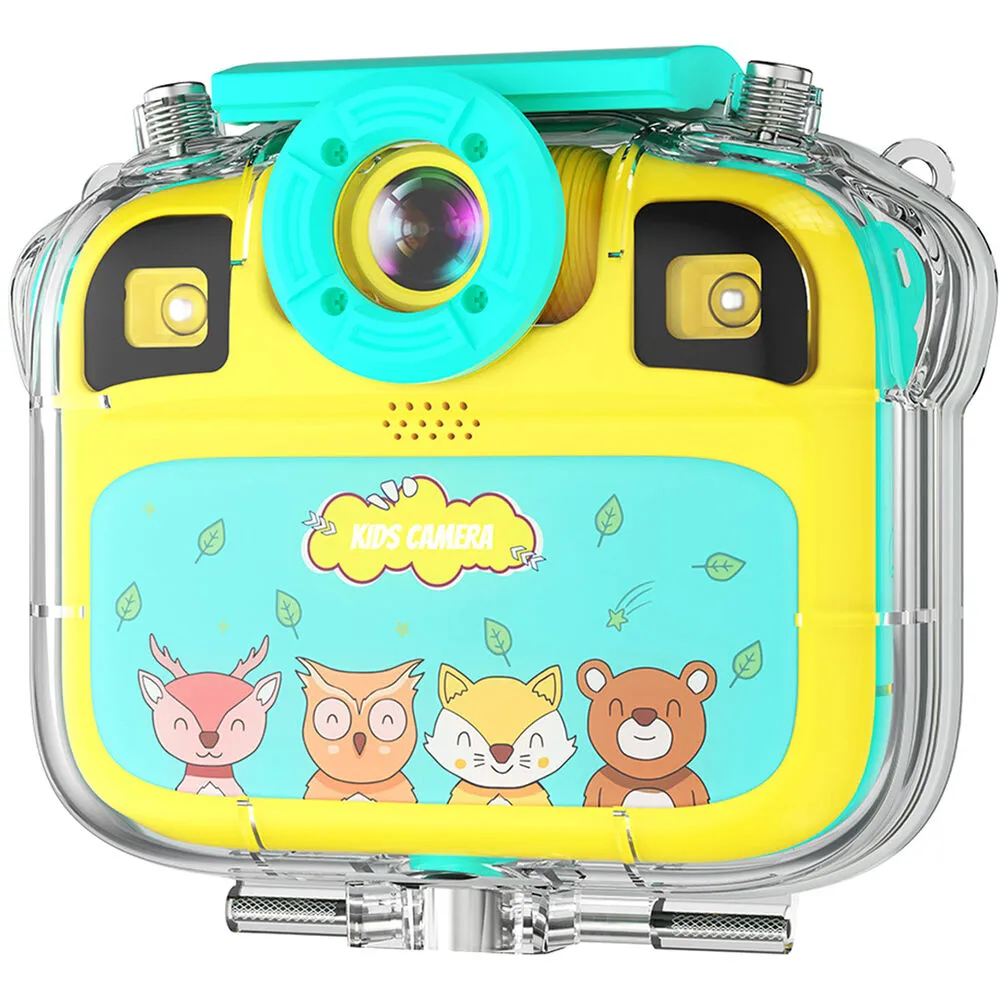
A point-and-shoot camera is a compact digital camera designed for simple, convenient photography. As the name suggests, users point the camera at their subject, press the shutter button, and make the image. To achieve this simplicity, point-and-shoot cameras constrain the variables of focus and exposure, set them automatically, or do both. Often referred to as compact cameras, point-and-shoot cameras are also known for their small size and portability, fitting comfortably in purses, small bags, and even back pockets.
The benefits of compact and point-and-shoot cameras begin with portability, simplicity, and speed. The characteristic small size of the point-and-shoot camera encourages users to take it with them wherever they go. Daily life with a lightweight, pocketable digital camera becomes an opportunity to photograph moments that might have otherwise gone unnoticed. These brief windows highlight the speed of the point-and-shoot camera, saving critical time by automating focus and exposure. Finally, a point-and-shoot camera relieves the anxiety presented by a camera’s abundance of variables and settings. Point-and-shoot cameras can reduce the headache of menus, buttons, and dials and refocus the user on the world in front of the lens.
General variance among cameras aside, there are some point-and-shoot camera features that define the category. First, compact, point-and-shoot cameras feature a digital imaging sensor, ranging in size from 1/4” to a medium-format sensor, with a larger sensor translating to better image quality. Point-and-shoot cameras also feature a built-in lens. While the optical construction will vary from fixed-focus, fixed-aperture lenses to prime and optical zoom lenses with variable apertures, these lenses are built into the camera chassis and are not interchangeable.
Irrespective of build, use-case, or complexity, every point-and-shoot camera will offer the user a way to pre-visualize the frame. This is accomplished with a viewfinder or a rear LCD screen. Optical viewfinders approximate the camera’s field of view within a small glass window on the rear of the camera, while an electronic viewfinder displays visual information directly from the digital sensor. A rear LCD screen relays the same information as the electronic viewfinder but on a larger screen on the back of the camera, and in many cases this rear screen is also the main interface for adjusting the camera settings.
Where focus and exposure are not fixed, the digital camera will feature autoexposure and autofocus. Many advanced compacts will give users manual control of exposure through adjustable aperture, shutter speed, and ISO settings. Others will allow users to set manual focus. Advanced users can also find compact digital cameras capable of RAW capture for improved image quality and post-production flexibility.
Another popular feature in point-and-shoot cameras is built-in flash. Included to supplement low-light scenes with additional illumination, flash photography with a point-and-shoot camera is its own distinct look. Compact digital cameras with a built-in xenon flash have regained popularity as nostalgia for the “digicam” era of early digital photography has increased.
Finally, most contemporary point-and-shoot cameras feature Wi-Fi and/or Bluetooth capabilities, for sharing images to a computer or smartphone.
The point-and-shoot camera category has its own subdivisions, grouped around feature set, size, intended application, and cost.
Additional Details
Loading…